To deploy a silica-reinforced polymer grip matrix and execute a “Tile-over-Tile” or Direct-to-Substrate overlay workflow, you must ruthlessly eliminate the amateur illusion that a high-friction primer can compensate for a failing or structurally compromised foundation. While this matrix delivers an elite mechanical bond over smooth porcelain, natural stone, and old adhesive residue, it possesses zero structural mass. If the underlying old flooring is hollow, water-logged, or subject to shifting substrate stress, the new wearing course will suffer catastrophic delamination. Guarantee your demolition-free warranty by integrating these mandatory structural configuration components:
Substrate Cavity Extraction & Rigid Structural Stabilization:
Must pair with: Industrial Ultra-Rapid Setting Hydraulic Cement
Why it’s critical: A grip-primer can only bond to what is firmly attached to the building. If existing ceramic tiles are hollow-sounding (debonded), fractured, or if the old mortar bed has turned to dust, applying a silica primer over them is an engineering failure. Contractors must perform a mandatory sound-test; all debonded old tiles must be instantly chiseled out, and the resulting craters must be flushed and packed with this ultra-rapid hydraulic matrix. This establishes a stable, rigid, and flush foundation before the grip primer transforms the surface.
Dynamic Perimeter Strain Relief & Overflow Containment:
Must pair with: High-Tenacity Elastomeric Flash-Bond Matrix
Why it’s critical: When utilizing this grip matrix to prepare an old floor for a Self-Leveling Underlayment (SLU), the new cementitious layer will undergo immense curing shrinkage stress. Without perimeter isolation, the massive shrinking force of a 10mm SLU layer will violently pull at the wall joints, causing localized edge-cracking and curling. This cold-applied, non-woven butyl tape must be installed at all wall-to-floor junctions and expansion joints prior to pouring. It acts as an elastomeric buffer that absorbs the shrinkage strain of the new overlay.
Sub-Floor Hydrolysis & Moisture Vapor Isolation:
Must pair with: High-Build 1K Polymer Liquid Coating
Why it’s critical: In historic renovations of commercial wet-rooms, older tile installations are frequently saturated with sub-surface water trapped in the old mortar beds. If you seal this trapped moisture beneath a new layer of tiles without a waterproofing break, intense capillary vapor pressure will build up, causing the water-based polymers in the grip primer to undergo long-term hydrolysis and emulsify back into a liquid paste. A dedicated elastomeric waterproof barrier must be engineered into the system to lock down sub-floor moisture and protect the integrity of the new tile adhesive matrix.

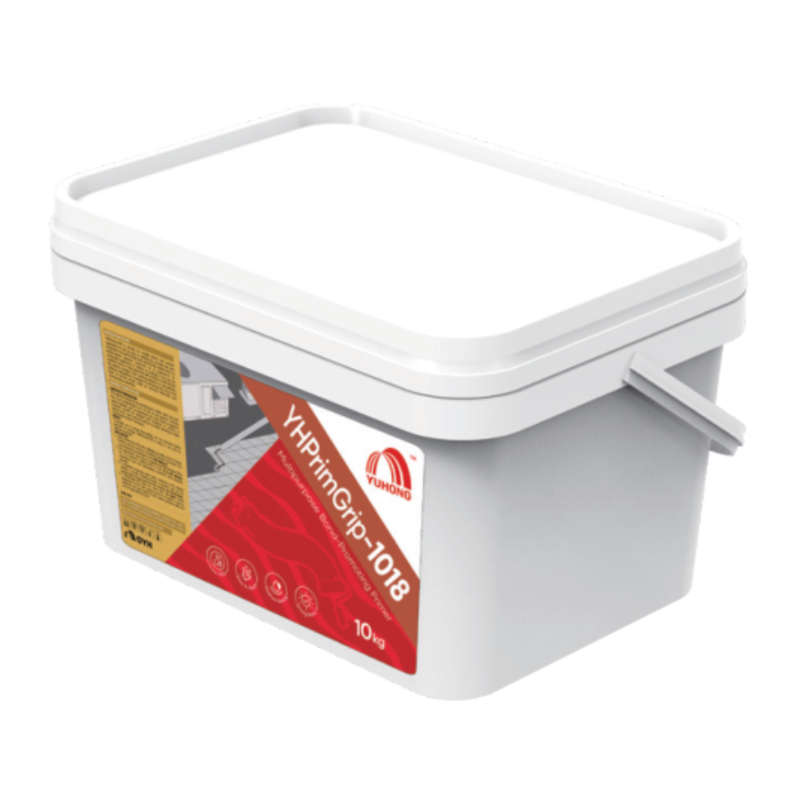
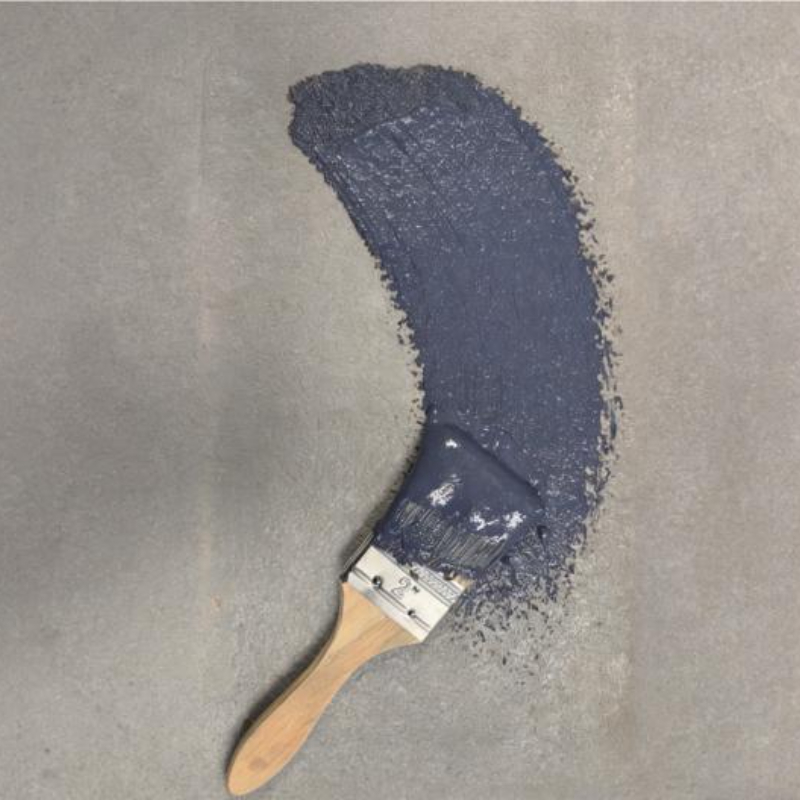
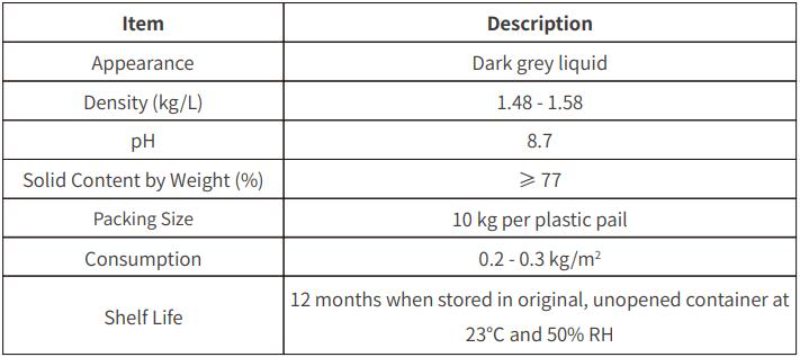
 “Tile-over-Tile” Productivity Engine: Specifically formulated to bond to vitrified ceramics, porcelain, marble, and well-bonded vinyl. This system facilitates a professional “direct-overlay” workflow, drastically reducing project timelines and labor overhead by bypassing the demolition and disposal phase.