Elite Hydrophobic Injection Matrix
(Active Water-Suppression & Structural Consolidation Specification)
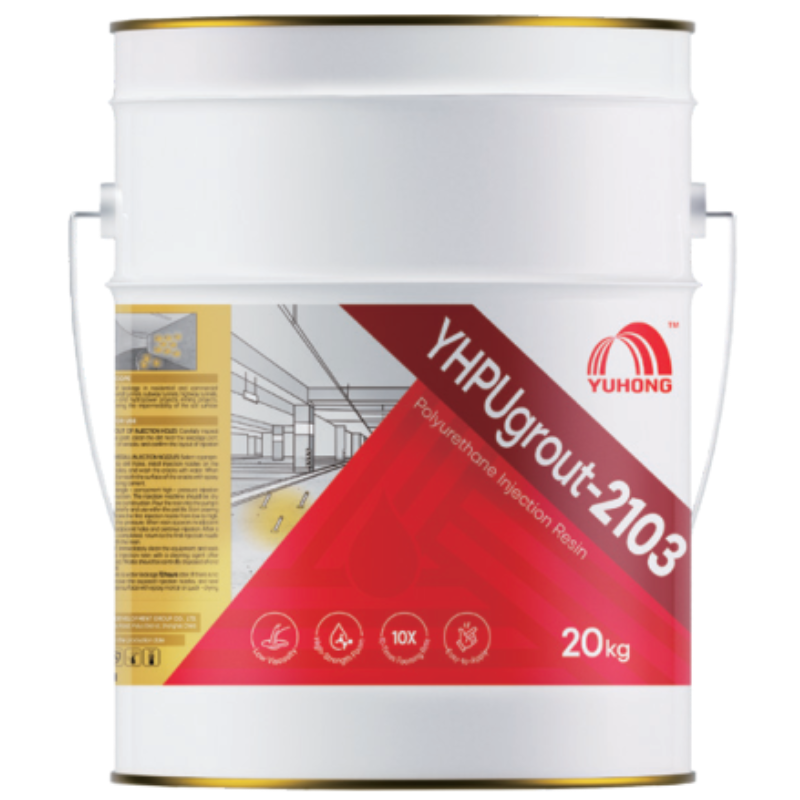
The high-performance chemical solution for extreme-duty water suppression and soil stabilization. This single-component, ultra-low viscosity polyurethane resin is engineered for high-pressure injection into saturated structural voids and fractured rock formations. Upon contact with moisture, it initiates a rapid, water-seeking catalytic reaction, expanding into a high-density, closed-cell rigid matrix that permanently seals pressurized ingress and consolidates unstable substrates.
▪ Emergency high-pressure leak sealing in subway, highway, and utility tunnels.
▪ Structural void filling and soil stabilization for heavy-duty foundations and mining projects.
▪ Curtain grouting for dams, reservoirs, and water conservancy infrastructure.
▪ Permanent sealing of architectural cracks in high-rise subterranean basements and parking vaults.
System Integration: The High-Pressure Injection & Consolidation Matrix
To deploy an Elite Hydrophobic Injection Matrix in a high-pressure subterranean blowout, you must understand the physics of hydrostatic containment. While this ultra-low viscosity resin expands 15x to instantly crush active leaks, it acts as a fluid under extreme pressure before curing. If injected into an open structural crack without surface confinement, the resin will simply blow out of the wall face instead of penetrating deep into the rock formation. Furthermore, plugging one catastrophic leak instantly shifts the immense hydrostatic pressure to the adjacent concrete capillaries. Neutralize the blow-out risk and prevent the “whack-a-mole” effect by integrating these mandatory components:
Surface Containment & Packer Anchoring:
Must pair with: Industrial Ultra-Rapid Setting Hydraulic Cement
Why it’s critical: Before a single packer (injection needle) is inserted, the face of the active crack must be V-grooved and completely sealed with this ultra-rapid hydraulic matrix. This creates a rigid, crush-proof surface barrier that forces the expanding polyurethane resin to travel inwards into the structural voids rather than escaping out the front. Once the leak is stopped and the packers are removed, this same cement is mandated to permanently seal the injection boreholes.
Adjacent Hydrostatic Shift Mitigation (The Wall Defense):
Must pair with: Active Integral Crystalline Coating (CCCW)
Why it’s critical: When you instantly block a high-pressure water vein with dense hydrophobic foam, that water does not disappear; it violently seeks the next path of least resistance through the surrounding concrete micro-pores. To prevent new leaks from spontaneously erupting two feet away from the repaired crack, the entire surrounding structural wall must be treated with Active Crystalline Coating. This ensures the adjacent capillary network densifies and self-heals against the redirected hydrostatic pressure.
Kinetic Crack Isolation & Surface Elastomeric Seal:
Must pair with: Architectural High-Performance PU Sealant
Why it’s critical: Although the hydrophobic foam consolidates the deep internal voids, the surface of a moving structural crack will continue to experience thermal and mechanical shear. To ensure the cosmetic and superficial integrity of the repair, a shallow recess over the crack line must be filled with this Class 25 F dynamic polyurethane sealant. It acts as an elastomeric shock-absorber, concealing the repair and handling macro-movement that the rigid sub-surface foam cannot.
Inquire About Pricing →
Custom OEM & Private Label Services
© 2026 Taiyu Waterproof Inc. All Rights Reserved.
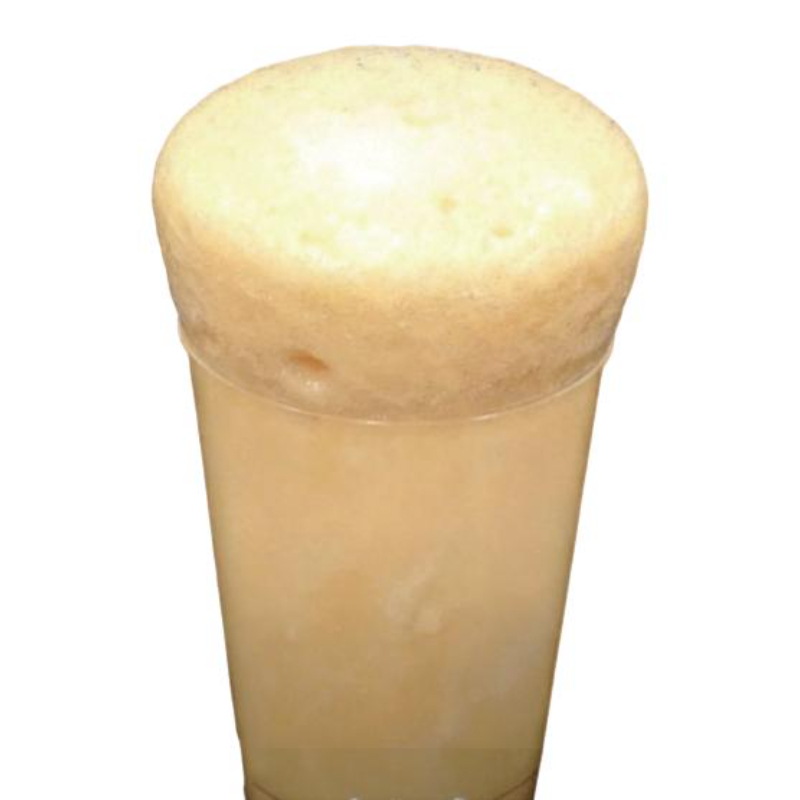
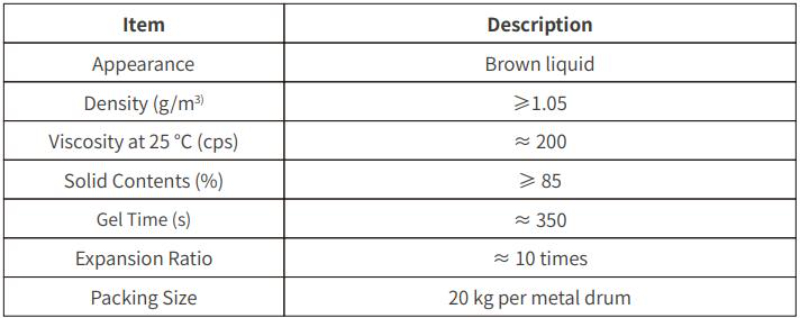
 High-Yield “Water-Seeking” Expansion: Engineered with a controlled 15x free-expansion ratio. This high-yield expansion matrix allows for the efficient filling of massive subterranean voids and fissures with minimal material deployment, providing a high-capacity seal even in high-flow water environments.