
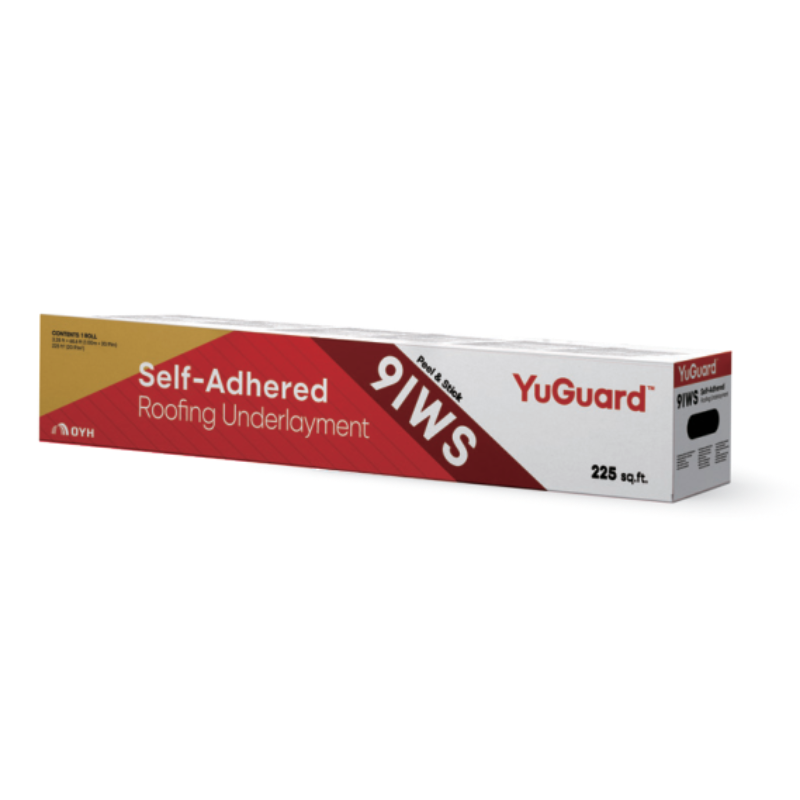
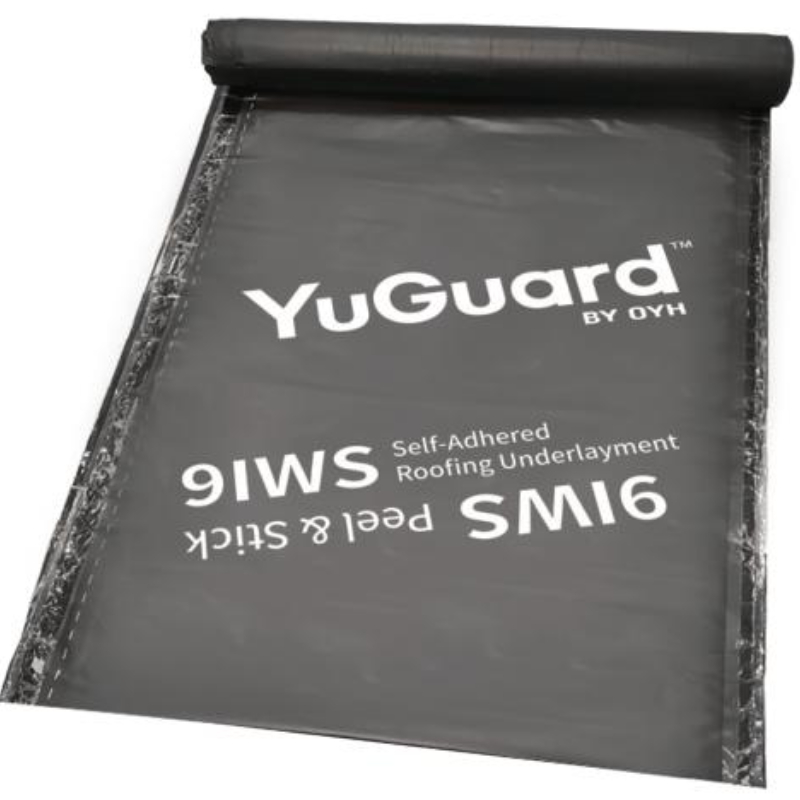
Advanced Ice & Water Shield Underlayment
(High-Friction & Active Self-Sealing Specification)
Product Overview
Engineered as the ultimate secondary water barrier for steep-slope roofing assemblies, this premium self-adhered underlayment combines an aggressive rubberized asphalt matrix with a proprietary high-friction, slip-resistant polyethylene surface. Designed to provide maximum traction for installers, it creates an impenetrable, monolithic seal directly to the roof deck, delivering zero-tolerance protection against the industry’s most severe threats: ice dams and wind-driven rain.
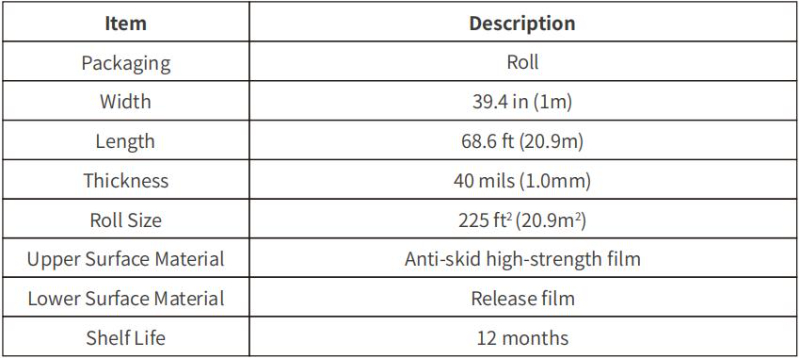
Core Advantages
▪ Maximum Traction & Jobsite Safety: Featuring an advanced slip-resistant top coating that provides superior grip underfoot. This crucial safety feature dramatically reduces slip-and-fall risks for roofing crews on steep inclines, minimizing contractor liability and ensuring safer, faster installations.
▪ Active Fastener Encapsulation (Gasket Effect): The highly elastic rubberized asphalt core possesses aggressive “elastic memory.” It instantly and automatically tightly seals around roofing nails and staples, maintaining an absolute watertight barrier beneath the primary roof covering.
▪ Ultimate Ice Dam & Wind-Driven Rain Defense: Specially formulated to aggressively bond to the roof deck at critical vulnerable zones (eaves, valleys, and penetrations). It prevents destructive water back-up caused by winter ice dams and extreme coastal storms.
▪ Multi-Clad Assembly Compatibility: The versatile, direct-to-deck adhesive system eliminates the need for hot asphalt or secondary primers. It performs flawlessly under premium architectural coverings, including asphalt shingles, standing seam metal, natural slate, and cedar shakes.
Engineered Applications
▪ Critical protection zones on steep-slope roofs: eaves, valleys, ridges, and rakes.
▪ Flashing reinforcement around skylights, dormers, chimneys, and vent pipes.
▪ Premium underlayment beneath metal, tile, slate, and architectural shingles.
▪ Extreme-weather regions prone to heavy snowfall, ice accumulation, and hurricanes.
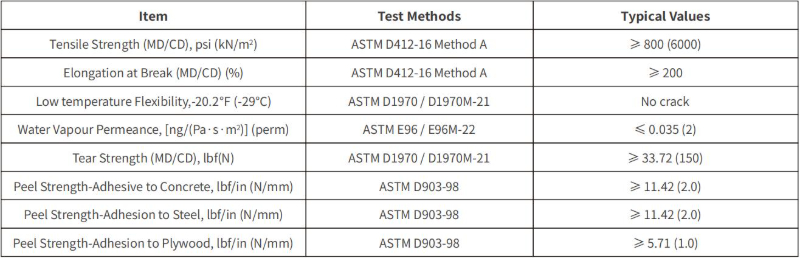

System Integration: The Steep-Slope Weather Defense Matrix
To achieve an impenetrable, code-compliant barrier against catastrophic ice dams and hurricane-force wind-driven rain, the Ice & Water Shield cannot be installed as an isolated “patch.” Wood roof decks are inherently dusty, and critical transition zones demand permanent elastomeric sealing. Eliminate deck-level delamination, secure your chimney and skylight flashings, and complete the full-envelope armor by integrating these synchronized roofing components:
Full-Deck Traction & Moisture Continuity:
Must pair with: High-Performance Synthetic Roofing Underlayment
Why it’s critical: Ice & Water Shield is mandated for eaves and valleys, but relying on traditional, tear-prone asphalt felt for the remainder of the roof deck compromises the entire system. Integrating this tear-proof, high-traction synthetic matrix completes the full-deck armor. It ensures continuous moisture protection, dramatically reduces roof dead-load, and maintains slip-resistant safety for your crews across the entire steep-slope assembly.
OSB/Plywood Dust-Binding & Capillary Anchoring:
Must pair with: Professional RTU High-Penetration Bitumen Primer
Why it’s critical: Oriented Strand Board (OSB) and plywood roof decks are notoriously dusty and porous, especially in cold-weather installations. Applying a heavy peel-and-stick membrane directly to dusty wood invites immediate delamination and deadly slippage. This ultra-low viscosity primer acts as a chemical “dust-binder,” penetrating the wood grain to deliver an aggressive, high-tack molecular bond that guarantees the underlayment remains permanently anchored.
Masonry & Skylight Edge-Lock Sealing:
Must pair with: Architectural High-Performance PU Sealant
Why it’s critical: Where the underlayment terminates at vertical masonry (chimneys), dormer walls, or metal skylight flashings, the adhesive edge is brutally exposed to wind-driven rain and freeze-thaw cycles. Relying solely on the self-adhesive overlap at these 90-degree transitions is an engineering liability. This Class 25 F dynamic polyurethane sealant must be heavily extruded along all vertical termination lines, providing an elastomeric lock that permanently blocks capillary water tracking.