High-Tenacity Elastomeric Flash-Bond Matrix
(PVDF-Extreme & System-Integration Specification)
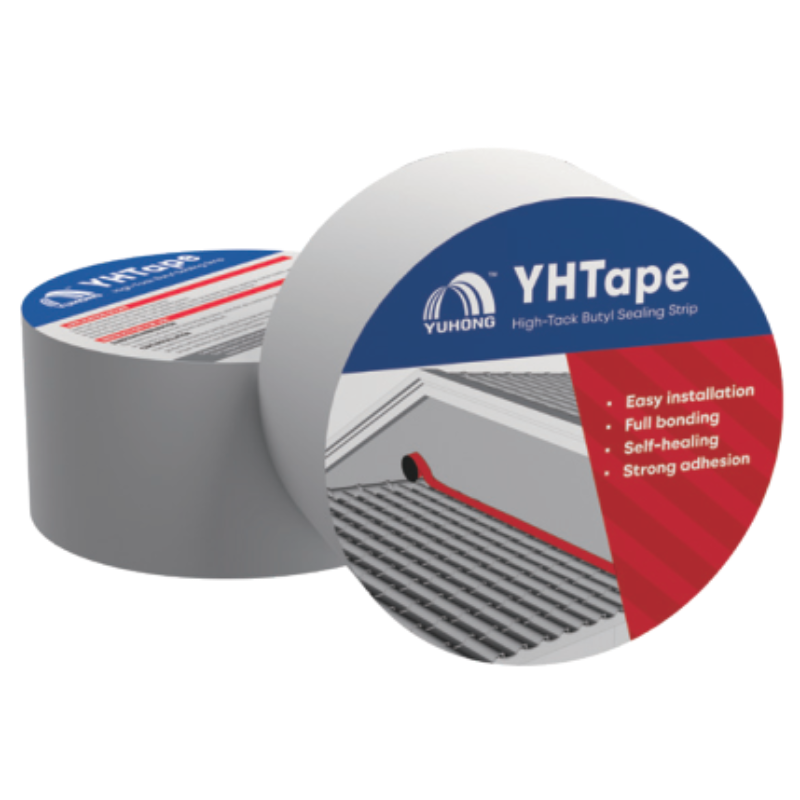
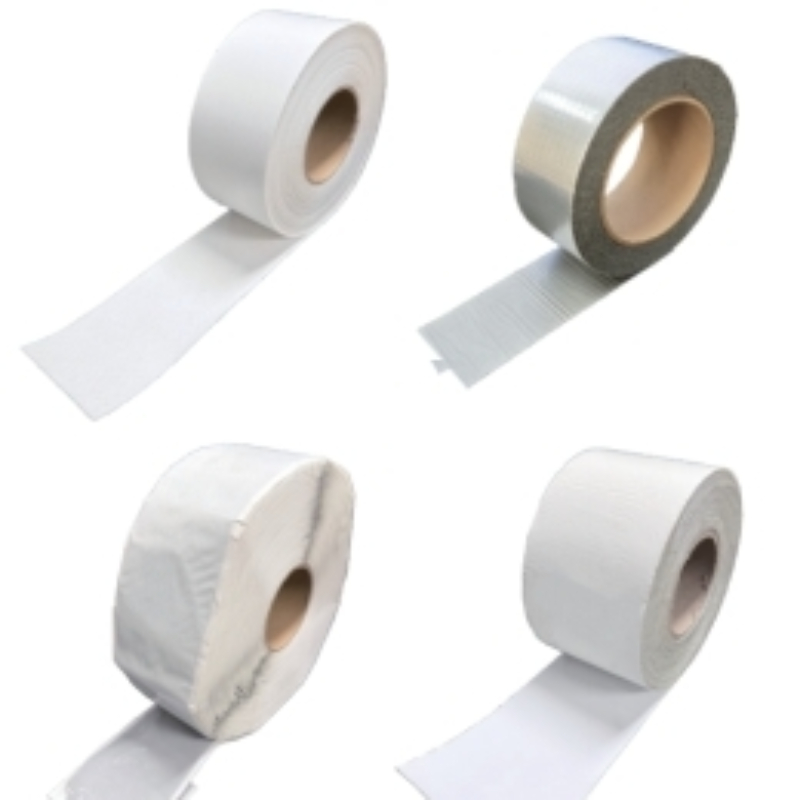
The definitive high-performance sealing solution for critical structural transitions and high-exposure details. This self-adhesive, polymer-modified butyl rubber matrix is engineered for instant, aggressive bonding across both absorbent and non-absorbent substrates. Available in specialized carriers—including UV-armored Aluminum and elite Fluorocarbon (PVDF) films—it creates a permanent, non-hardening weather-seal that accommodates structural shifting while resisting the most aggressive environmental degradation.
 PVDF-Armored “Life-Cycle” Supremacy: The Fluorocarbon (PVDF) variant delivers industry-leading UV and chemical resistance, specifically engineered for high-value metal roofing and Solar/PV installations. It ensures a 20+ year performance horizon, matching the service life of premium architectural panels and preventing premature failure in extreme-exposure zones.
Cold-Bond “Zero-Ignition” Safety: Harnesses advanced pressure-sensitive adhesion that eliminates the need for open flames or heat induction. This “Cold-Applied” technology drastically reduces job-site fire risks and insurance liabilities, facilitating rapid mobilization in sensitive commercial and industrial environments.
System-Integration Reinforcement (Non-Woven): The high-affinity non-woven carrier is engineered to function as a reinforcing “bridge” for liquid-applied membranes (PU and cementitious). It provides a high-friction keyed surface that integrates seamlessly into the coating matrix, ensuring crack-free integrity at critical internal corners and fillets.
Multi-Substrate “Molecular-Grip” Adhesion: Exhibits aggressive bonding to aluminum, copper, steel, PVC, and aged bitumen, as well as concrete and fiber-reinforced cement. The chemically stable butyl matrix maintains permanent flexibility, absorbing structural vibrations and thermal movements without embrittlement or delamination.
▪ UV-resistant sealing for metal roof laps, standing seams, and skylight perimeters (PVDF/Aluminum).
▪ High-performance corner reinforcement and fillet bridging for liquid-applied waterproofing systems (Non-Woven).
▪ Structural bonding and isolation for diverse construction material interfaces (Double-Sided).
▪ Emergency repair and moisture isolation for flashing, gutters, and architectural penetrations.
System Integration: The Structural Transition & Armor Matrix
To fully exploit the “Molecular-Grip” adhesion of this Elastomeric Flash-Bond Matrix, you must acknowledge the physical limits of pressure-sensitive tapes. While the PVDF and Non-Woven carriers deliver elite UV armor and system reinforcement, a tape is only as strong as the substrate it is pressed onto. Applying this high-tenacity matrix over dusty, oxidized, or spalled surfaces guarantees immediate adhesive failure. Maximize your tape’s 20+ year life-cycle by integrating these mandatory preparatory and finishing components:
Oxidation & Substrate Dust Consolidation:
Must pair with: Universal Waterborne Epoxy Matrix
Why it’s critical: Aged bitumen, oxidized metal roofs, and weathered concrete are coated in microscopic layers of chalk and dust. Applying a pressure-sensitive butyl tape directly over this layer means the tape bonds to the dust, not the structure. Under extreme wind-uplift or thermal stress, it will peel effortlessly. This waterborne epoxy primer must be applied first to consolidate chalky surfaces and lock down dust, establishing a high-tensile, molecularly sound canvas for the butyl matrix to grip.
Wind-Uplift Edge Lock & Capillary Defense:
Must pair with: Architectural High-Performance PU Sealant
Why it’s critical: When deploying the PVDF or Aluminum-faced tape on exposed metal roofs or Solar/PV mounts, the leading edges of the tape are subjected to severe aerodynamic wind-shear and pooling water. Over decades, this constant friction can cause edge-curling. This Class 25 F dynamic polyurethane sealant must be extruded along all exposed leading edges of the tape. It creates an aerodynamic, sloped elastomeric ramp that deflects wind and seals the adhesive edge against capillary water tracking.
The Liquid Integration Mandate (For Non-Woven Specification):
Must pair with: Liquid-Applied Polyurethane or Cementitious Membranes
Why it’s critical: The Non-Woven variant is explicitly engineered as a porous “bridge,” not a standalone weather-barrier. Its fleece surface is designed to absorb and fuse with liquid polymers. To activate its reinforcing properties, it must be thoroughly saturated and over-coated with a Taiyu liquid-applied membrane. Using the tape without the topcoat leaves the non-woven carrier exposed to water absorption and rapid degradation.
Inquire About Pricing →
Custom OEM & Private Label Services
© 2026 Taiyu Waterproof Inc. All Rights Reserved.