
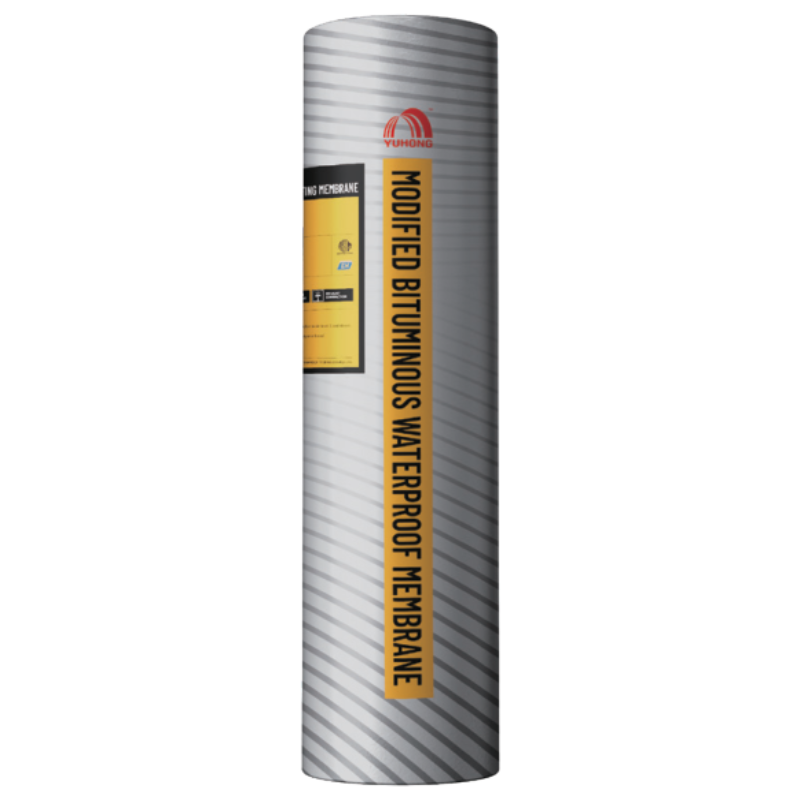
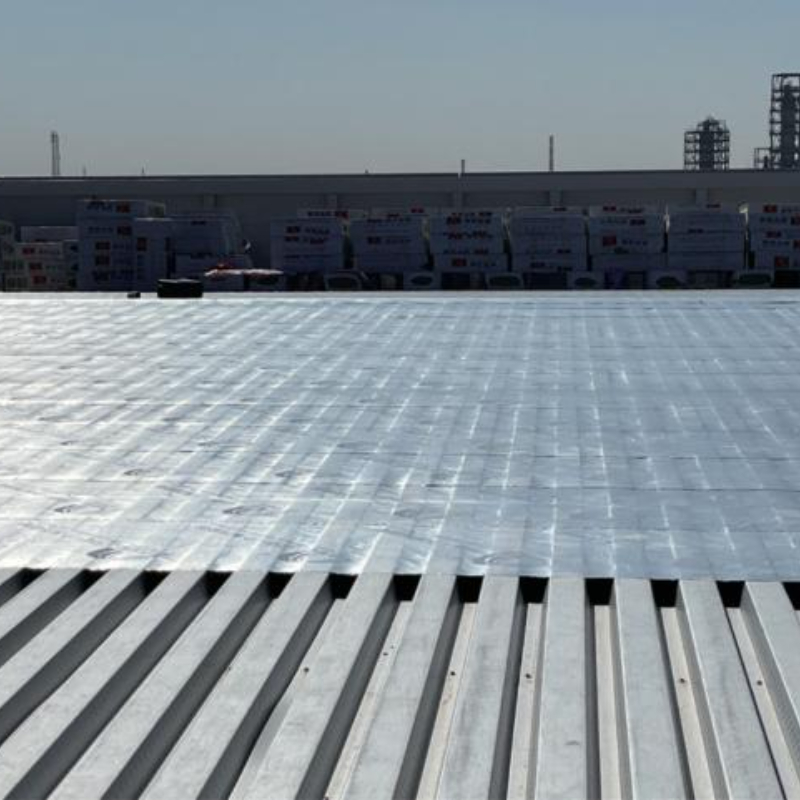
Aluminum-Faced Self-Adhesive Vapor Barrier
(Class I Vapor Retarder & Thermal Shield Specification)
Product Overview
The ultimate environmental control solution for high-performance building envelopes. This sophisticated composite membrane integrates a high-purity aluminum foil shield, a high-tenacity fabric reinforcement matrix, and an aggressive, low-temperature SBS modified bitumen adhesive. Specifically engineered for large-span industrial and commercial roofing, it creates a near-zero permeability barrier, safeguarding the insulation system from internal moisture migration and external air infiltration.
Core Advantages
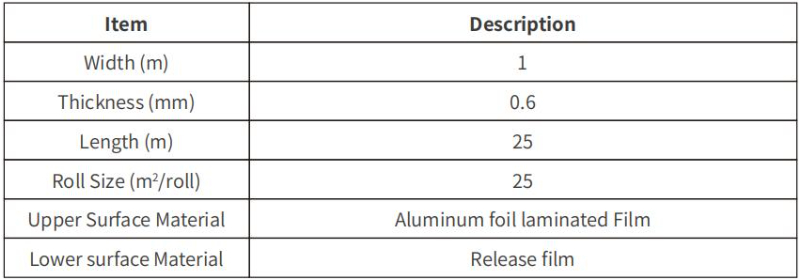
▪ Class I Vapor Impermeability (Near-Zero Perm): The heavy-duty aluminum foil veneer delivers elite vapor resistance, achieving a Class I vapor retarder rating. It is the definitive choice for high-humidity critical environments such as pharmaceutical cleanrooms, food processing plants, and cold storage facilities.
▪ Integrated Thermal Energy Shield: The high-reflectance aluminum surface provides superior radiant heat reflection. By minimizing thermal transfer between the interior and exterior, the system significantly enhances building energy efficiency and maintains stable internal climates.
▪ High-Tenacity Structural Integrity: Reinforced with a high-strength fabric matrix, the membrane provides exceptional tensile strength and puncture resistance. It is engineered to withstand heavy foot traffic during construction and provides a secure, walkable surface over profiled steel decks.
▪ Aggressive Instant-Bond Technology: Formulated for high-speed application on metal, concrete, and masonry substrates. The pressure-sensitive adhesive ensures a permanent, wind-load resistant bond that eliminates material shifting and air leakage even in high-wind-exposure environments.
Engineered Applications
▪ Large-span industrial roofs with profiled steel or concrete decks.
▪ High-humidity critical environments: textile mills, paper plants, and indoor aquatic centers.
▪ Specialized manufacturing facilities: semiconductor cleanrooms and pharmaceutical labs.
▪ Cold storage and controlled-atmosphere warehouses requiring absolute vapor control.
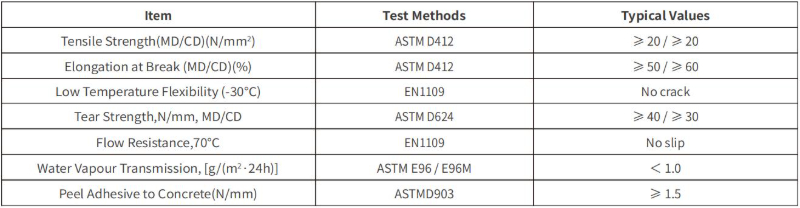

System Integration: The Absolute Vapor-Control Roofing Assembly
To achieve a true Class I vapor retarder rating and prevent catastrophic interstitial condensation, the vapor barrier cannot be compromised by micro-leaks or poor deck adhesion. A single pinhole or peeling edge will allow indoor humidity to bypass the shield, saturating the expensive insulation above, destroying the roof’s thermal performance (R-value), and rotting the assembly from the inside out. Eliminate systemic vapor leakage, ensure structural adhesion under severe wind-loads, and lock in your warranty by integrating these mandatory components:
Substrate Consolidation & Vapor-Tight Anchoring:
Must pair with: Professional RTU High-Penetration Bitumen Primer
Why it’s critical: Profiled steel decks are often coated with aerosolized factory oils or construction dust, while concrete decks harbor loose laitance. Applying a self-adhesive membrane directly to these unconditioned surfaces guarantees delamination under negative wind pressure. This factory-calibrated, ultra-low viscosity primer acts as a chemical “dust and oil binder,” creating an aggressive molecular grip that locks the vapor barrier permanently to the structural deck.
Puncture Repair & Flute-Span Reinforcement:
Must pair with: High-Tenacity Elastomeric Flash-Bond Matrix
Why it’s critical: On active construction sites, heavy foot traffic and dropped tools will inevitably create micro-punctures in the aluminum foil veneer before the insulation is installed. Furthermore, overlapping seams over the empty flutes of corrugated metal decks require additional reinforcement. This cold-applied, aluminum-faced elastomeric butyl tape provides immediate, vapor-tight repair patches that perfectly match the membrane’s Class I impermeable specification.
Perimeter & Penetration Gas-Lock Sealing:
Must pair with: Architectural High-Performance PU Sealant
Why it’s critical: The most vulnerable points for vapor migration are not in the field of the roof, but at the perimeter terminations (parapet walls) and HVAC curb penetrations. Mechanical termination alone cannot block pressurized indoor humidity. This Class 25 F dynamic polyurethane sealant must be heavily extruded at all wall transitions and pipe boots, providing an elastomeric, non-shrinking gas-lock that seals off the final avenues of vapor escape.